
What Drives Me
The Ocean
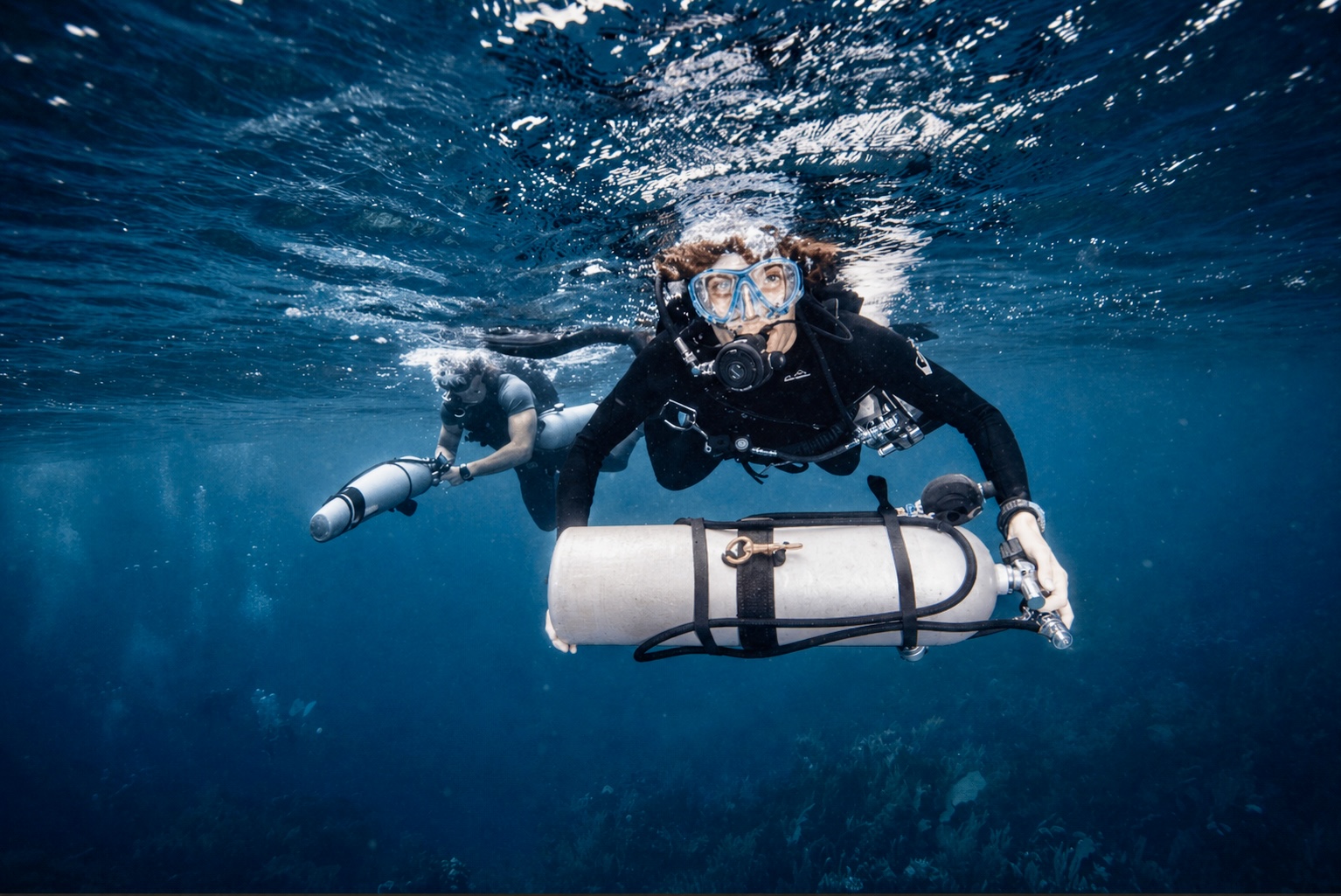
I’ve spent more time underwater than most people spend thinking about the ocean. And every single dive still teaches me something.
It started with curiosity. I was the kid who wanted to know what was under the surface, what lived in the rocks, why the water moved the way it did. That curiosity turned into a gap year researching whale sharks in Honduras, which turned into reef conservation work with the Cousteau Foundation in Spain, which turned into earning my PADI Instructor certification with over fifteen specialties.
But the certifications are just the structure. What I actually love is the feeling of dropping below the surface and entering a world that operates on completely different rules. Everything slows down. You breathe differently. You move differently. You notice things you’d never see from above. I try to identify every organism I encounter on a dive, not because anyone asks me to, but because I think understanding an ecosystem is the first step toward protecting it.
The ocean taught me patience. It taught me that the most important things are often happening quietly, out of sight. And it taught me that conservation isn’t something you study from a distance. It’s something you do with your hands, one dive at a time.
Community
If there’s one thread that runs through everything in my life, it’s this.
It started before I can even remember. My parents immigrated from Belgium to the U.S. so my dad could pursue his MBA at MIT. My twin sister and I were born at 27 weeks, over three months premature, with serious health complications. We spent three and a half months in the NICU. The nurses who kept us alive, the international student community that rallied around my parents during the most terrifying time of their lives, the insurance that covered millions in medical bills because my dad happened to be at the right firm. None of that was guaranteed. All of it was community showing up.
I don’t remember those early months, but I feel their weight every time I go back to that hospital and visit the nurses who cared for us. Watching them see my sister and me as healthy adults is one of the most emotional experiences I’ve ever had. For them, we’re proof that what they do matters. For me, they’re proof that community can save your life before you even know what the word means.
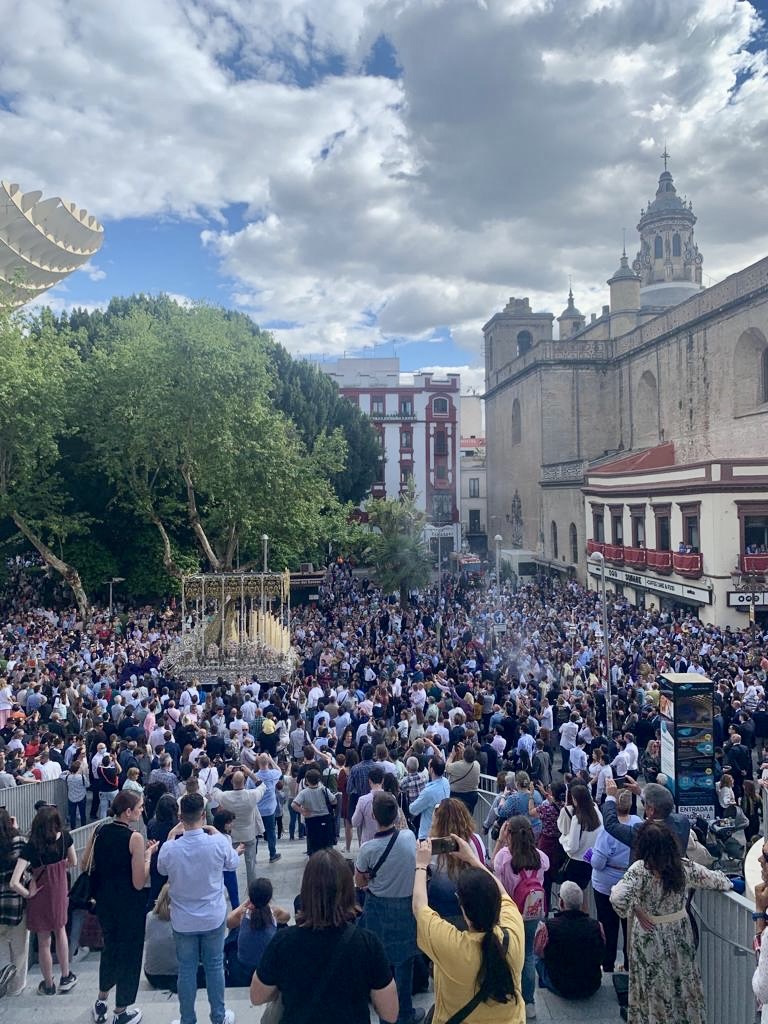
That foundation shaped everything that followed. Volunteering with kids and adults with disabilities in high school. Writing letters to isolated elderly people during COVID. Coaching freshmen through their first semester of college. Running youth camps in Costa Rica. Tutoring refugee children in Barcelona. None of these were obligations. They were choices I made because I know what it feels like when people show up for you, and I want to be that person for someone else.
Community isn’t a place or a group. It’s a practice. And it’s the thing I’m most proud of building.
Cooking
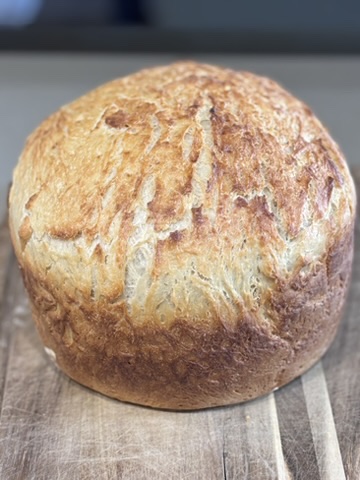
I cook the way some people journal. It’s how I process, how I unwind, and how I connect with people.
Growing up in a Belgian-French household, food was never just fuel. It was culture. My parents cooked the way their parents cooked, and meals were where our family actually talked to each other. That stuck with me. When I lived with a 75-year-old grandmother in Barcelona who didn’t speak a word of English or French, cooking was one of the first ways we communicated. Before I could string together a sentence in Spanish, we were making meals side by side, learning each other’s rhythms through chopping and stirring and tasting. I think there’s something grounding about the process of making food from scratch, about feeding people, about sitting down together and sharing something you made with your hands.
Language & Cultural Identity
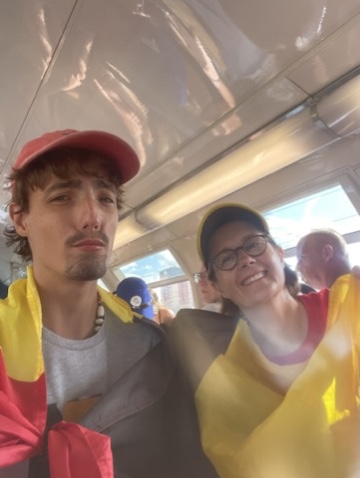
I grew up between worlds. My parents are French and Belgian. I was born in Boston. French was the language of home, English was the language of everything else, and the space between those two shaped how I see the world.
Being the child of immigrants comes with a particular kind of awareness. You learn early that the way you say something matters as much as what you say. You learn to read rooms, to adjust, to translate not just words but meaning. You also carry a quiet guilt about the family that’s an ocean away, the grandparents and cousins and aunts and uncles you can’t see enough, the feeling that no matter how much you do, it’s never quite enough for everyone.
But that tension also gave me something valuable. It made me adaptable. It made me curious about how other people live. And it pushed me to keep learning.
I picked up Spanish through immersion. First in Barcelona, where I had no choice because my host grandmother and I had zero shared language. Then in Honduras, Costa Rica, and El Salvador, where every day was another opportunity to get a little less lost in conversation. I’m trilingual now (English, French, Spanish), and each language unlocks a different version of me. My French is more tender. My Spanish is more playful. My English is where I think most precisely.
I don’t think of being multicultural as a skill on a resume. It’s more like a lens. It changes what you notice, what you value, and how you treat people who are different from you.
My Twin
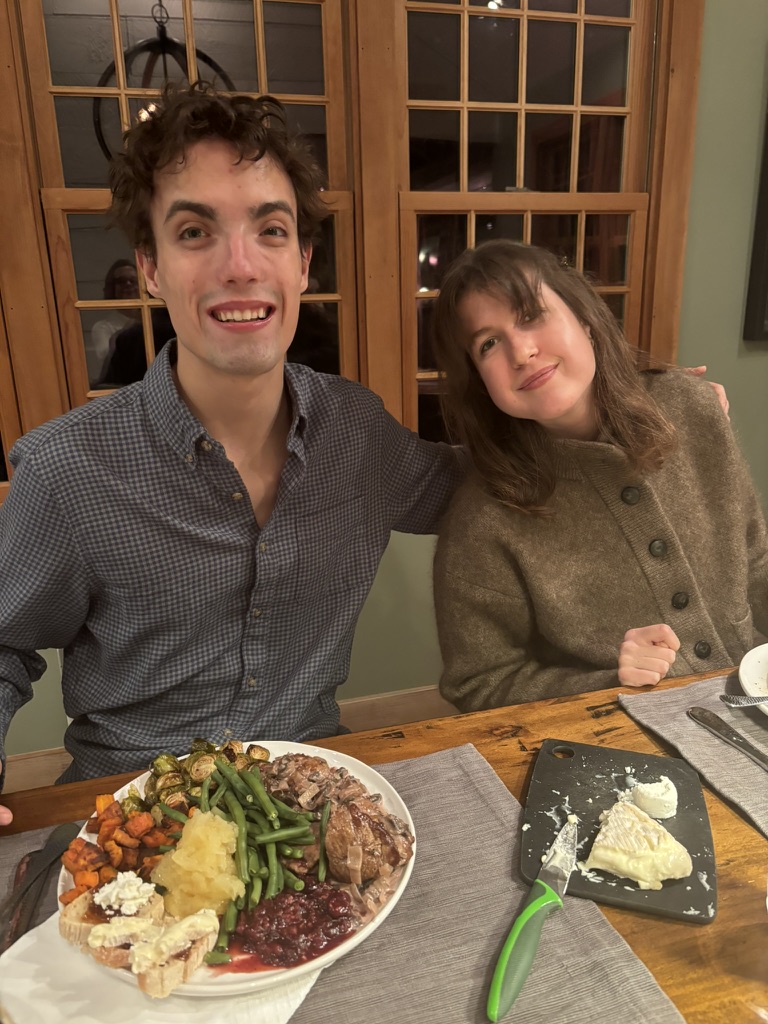
My sister and I came into the world together, three months too early, and we’ve been figuring things out side by side ever since.
We were born at 27 weeks. Heart surgery. Months in the NICU. Medical bills that would have been impossible without the right insurance at the right time. We were lucky to be in Boston, lucky to have the care we had, lucky in ways that took me years to fully understand.
Growing up, we each had our challenges. I was selectively mute until I was about three or four. I would only communicate with my dad. My sister had ARFID, which wasn’t diagnosable at the time. She was hypersensitive to textures. Sand, grass, certain foods. Things that were nothing to other kids would completely overwhelm her.
Even as a little kid, I noticed that the world responded differently when she advocated for herself than when I did. There was something about the way people perceived a girl pushing back versus a boy doing the same thing. I couldn’t have explained it then, but I felt it. And I felt this instinct to stand next to her. Not to speak for her, but to make sure she was heard.
My parents love telling the story of our first day of preschool. My sister refused to take her shoes off. When they started to punish her, I refused too. They called our parents and said we’d either have to comply or find a different school. We found a different school.
Looking back, that might have been the first time I understood what it means to stand with someone even when it costs you something. My sister didn’t need me to fight her battles. She needed me to show her she wasn’t alone in fighting them. And in doing that, she helped me find my own voice.
While I don’t remember much of the effort it took us to adapt, grow, and push ourselves, I am immensely proud & greatful that the selectively mute kid who wouldn’t talk to anyone but his dad now teaches scuba to strangers in three languages. I don’t think that transformation happens without her.
Reading
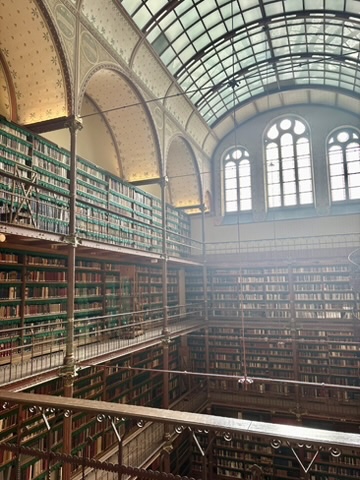
I’ve always been a reader. Not in the “I read business books on productivity” way. In the “I will sit in a corner for six hours and not move” way.
The books that have shaped me most aren’t the ones that taught me frameworks or strategies. They’re the ones that made me feel something I couldn’t put into words on my own.
Khaled Hosseini’s writing broke something open in me. A Thousand Splendid Suns is one of the most beautiful and devastating things I’ve ever read. The way he writes about resilience, about love under impossible circumstances, about the quiet strength of people the world overlooks. His prose doesn’t try to impress you. It just tells the truth so clearly that you can’t look away. I’ve read it more than once and it hits differently every time.
The Alchemist found me at exactly the right moment, the way it seems to find everyone. I read it before my gap year, when I was trying to figure out what I wanted and whether it was okay to not have an answer yet. The idea that the journey itself is the point, that the universe conspires to help those who pursue their personal legend, felt less like philosophy and more like permission. Permission to go sail the Caribbean, live with a stranger in Barcelona, and trust that it would all connect eventually. It did.
The Count of Monte Cristo is the book I recommend to everyone. It’s massive and sprawling and rewards every single page. The patience of it. The way Dantès transforms himself not through rage but through discipline, knowledge, and an almost inhuman commitment to seeing things through. There’s something about that story that speaks to the long game, to the idea that who you become matters more than what happens to you.
I think reading makes you a better listener. It teaches you to sit with someone else’s perspective for hours at a time without interrupting. That’s a skill that shows up in every part of my life, from coaching freshmen to living on a boat with twenty strangers to sitting in a kitchen in Barcelona learning to communicate without shared language.
Thank You!
If you’ve made it this far, you probably see the pattern. The ocean, community, cooking, language, my sister, the books I love. They’re all different expressions of the same thing: a deep curiosity about people and the world, and a belief that the best version of yourself shows up when you’re paying attention to something bigger than your own ambitions.
That’s what drives me. Thanks for reading.